
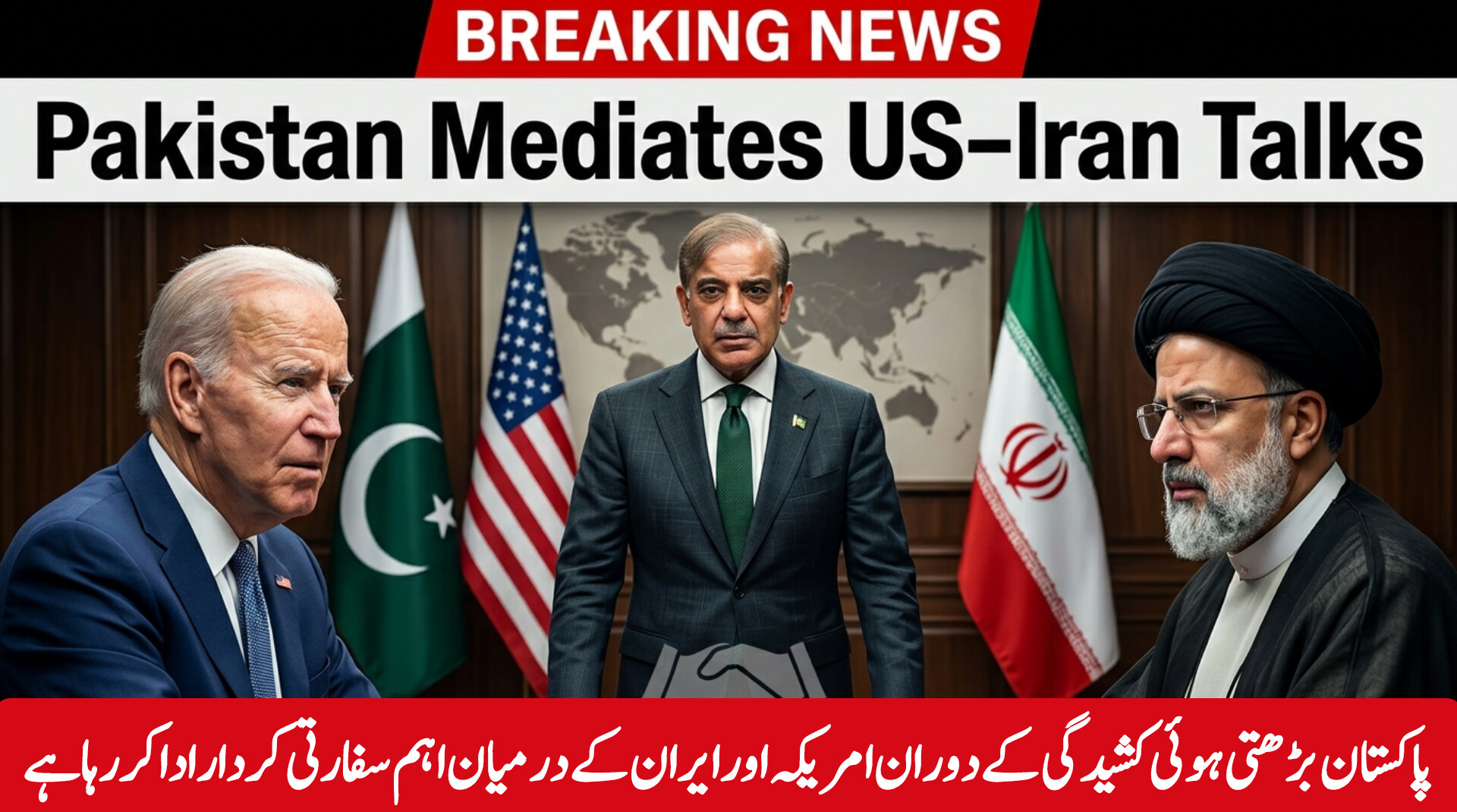
Pakistan mediating US Iran talks amid escalating tensions in 2026. As the conflict between Washington and Tehran continues to impact global stability, Islamabad’s role as a mediator is gaining international recognition.
Pakistan Navy Successfully Tests Anti-Ship Missile 2026 – Latest Defense Update
Recent developments indicate that Pakistan is actively involved in indirect negotiations between the two nations. According to official statements, messages are being exchanged through Pakistani channels as both sides attempt to find common ground. This form of “shuttle diplomacy” highlights Pakistan’s strategic position and its ability to maintain working relations with both countries.
The ongoing crisis, which includes military tensions, economic sanctions, and disputes over nuclear activities, has created a volatile environment in the Middle East. Reports suggest that a fragile ceasefire was previously achieved with Pakistan’s diplomatic efforts, although a final agreement has yet to be reached. Despite challenges, Pakistan continues to push for sustained dialogue and peaceful resolution.

Reuters

The Times of India

AP News

New York Post
Pakistan’s involvement comes at a critical time when tensions have escalated due to incidents in the Strait of Hormuz and disagreements over sanctions and nuclear policies. Global oil markets have also been affected, making diplomatic intervention even more urgent. Islamabad has hosted high-level meetings and is working closely with international stakeholders to prevent further escalation.
One of the significant aspects of Pakistan’s mediation is its neutral stance. Unlike other global powers, Pakistan maintains balanced relations with both the US and Iran, allowing it to act as a trusted intermediary. This neutrality is essential in ensuring that both parties feel secure in expressing their concerns and negotiating terms.
Furthermore, Pakistan’s diplomatic leadership, including top government officials and military representatives, has engaged in direct communication with Iranian leadership while also relaying proposals from the United States. These efforts include reviewing multi-point proposals aimed at resolving key disputes such as nuclear enrichment, sanctions relief, and regional security concerns.
However, the path to peace is not without obstacles. Recent reports indicate that Iran has shown hesitation in participating in further talks due to disagreements with US demands and ongoing military actions. Similarly, the United States has maintained pressure through sanctions and strategic measures, complicating the negotiation process.
Despite these challenges, Pakistan remains committed to its diplomatic mission. Officials have emphasized that continued dialogue is the only viable solution to prevent further conflict. The country’s efforts are also supported by other regional players, including Turkey and Egypt, who are working alongside Pakistan to promote stability.
Pakistan’s mediation role not only enhances its global diplomatic standing but also reflects its commitment to peace and regional stability. By facilitating communication and encouraging compromise, Islamabad is contributing to efforts aimed at avoiding a larger conflict that could have severe global consequences.
In conclusion, Pakistan’s role as a mediator between the US and Iran underscores the importance of diplomacy in resolving international conflicts. While significant challenges remain, the continued efforts by Pakistan offer hope for a peaceful resolution and highlight the country’s growing influence on the global stage.
-
FOLLOW FOR NEW UPDATES:
WhatsApp’s Channel:
https://whatsapp.com/channel/0029Vb7MYua0gcfLWzto2T01
Facebook Page:
FAQs (10)
1. Why is Pakistan mediating between the US and Iran?
Pakistan has diplomatic relations with both countries and aims to reduce tensions through dialogue.
2. Are US and Iran holding direct talks?
No, most communication is currently indirect through mediators like Pakistan.
3. Where are the talks taking place?
Some negotiations and meetings have been hosted in Islamabad.
4. What are the main issues in the conflict?
Nuclear program, sanctions, military tensions, and regional influence.
5. Has a ceasefire been achieved?
A temporary ceasefire was reached but remains fragile.
6. Why is the Strait of Hormuz important?
It is a key global oil route affecting international markets.
7. Is Iran participating in current talks?
Iran has shown hesitation but has not completely ruled out negotiations.
8. What role does the US play?
The US is a key party in the conflict and negotiations.
9. Are other countries involved?
Yes, countries like Turkey and Egypt are also supporting diplomatic efforts.
10. Can Pakistan successfully resolve the conflict?
Pakistan can facilitate dialogue, but final resolution depends on both parties.
Conclusion
Pakistan’s diplomatic engagement between the United States and Iran highlights its growing importance in global geopolitics. While the situation remains complex, continued mediation efforts provide a pathway toward peace and stability in an otherwise volatile region.
Disclaimer
This article is based on publicly available news reports and official statements. Developments in international diplomacy may change rapidly, and readers are encouraged to follow official government sources for the latest updates.
1 thought on “Pakistan Playing Key Diplomatic Role Between US and Iran Amid Rising Tensions”