
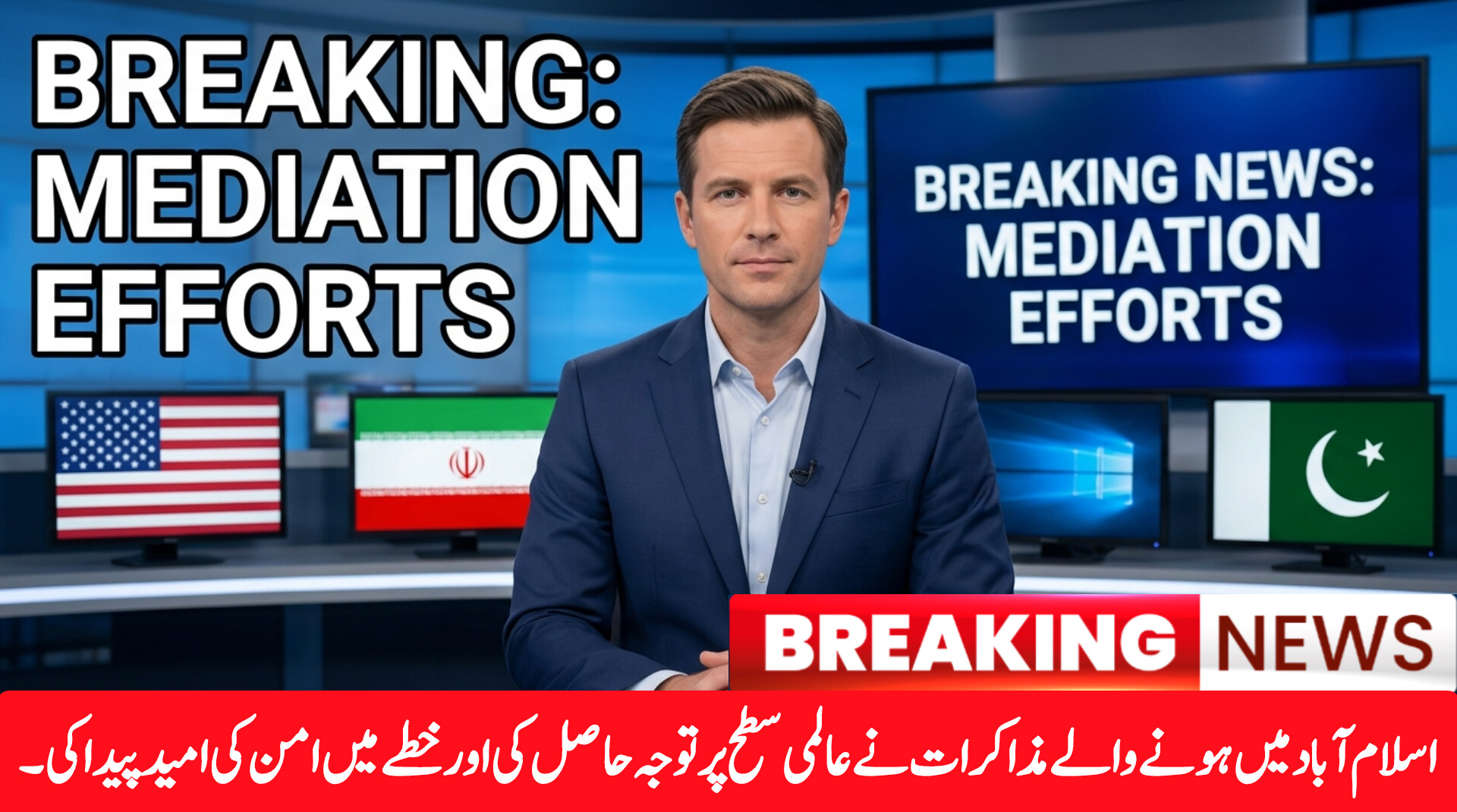
Pakistan mediation United States Iran in 2026. Amid rising tensions and conflict in the Middle East, Islamabad has stepped forward to facilitate dialogue, reduce hostilities, and promote peace between the two long-standing rivals.
The mediation efforts come at a critical time when the region faces instability due to military escalation, economic disruptions, and concerns over nuclear developments. Pakistan’s role has gained international attention as both Washington and Tehran cautiously engage in indirect and direct negotiations.
IPL 2026: Gujarat Titans vs Kolkata Knight Riders Today Match Preview, Pitch Report & Prediction
Background of the Conflict
The conflict between the United States and Iran intensified earlier in 2026 following military actions and rising geopolitical tensions. The situation escalated to the point where global oil supply routes, especially the Strait of Hormuz, were severely affected.
To avoid further escalation, multiple countries called for diplomatic solutions. Pakistan, due to its strategic location and strong relations with both nations, positioned itself as a neutral mediator.
Pakistan’s Role in Mediation
Pakistan has hosted high-level talks in Islamabad and facilitated backchannel diplomacy between the two sides. According to recent reports, Pakistani leadership, including political and military officials, has been actively engaged in maintaining communication between Washington and Tehran.
These efforts helped achieve a temporary ceasefire, even though a final agreement has not yet been reached. The primary objective of Pakistan’s mediation is to keep dialogue alive and prevent further escalation.
Pakistan’s diplomatic approach includes:
- Hosting negotiation rounds
- Coordinating indirect communication
- Engaging regional stakeholders
- Encouraging peaceful resolution
Current Status of Talks
Although talks have made progress, no final deal has been signed yet. Reports indicate that both countries remain divided on key issues such as Iran’s nuclear program and economic sanctions.
Officials have confirmed that no exact date has been set for the next round of talks, but efforts are ongoing to resume negotiations soon.
Despite the deadlock, both sides have shown willingness to continue discussions, which is considered a positive sign by global analysts.
Key Challenges in Negotiations
Several major challenges are slowing down progress:
1. Nuclear Program Dispute
The United States demands strict limitations on Iran’s nuclear activities, while Iran insists on its sovereign rights.
2. Economic Sanctions
Iran seeks relief from sanctions, whereas the US ties sanctions removal to compliance with international agreements.
3. Trust Deficit
Decades of hostility have created deep mistrust, making negotiations complex.
4. Regional Pressure
Other regional conflicts and alliances are influencing the negotiation process.
Global Importance of Pakistan’s Mediation
Pakistan’s involvement is being viewed as a significant diplomatic achievement. The country has managed to bring two adversaries to the negotiating table after years of hostility.
Experts believe that if successful, Pakistan’s efforts could:
- Stabilize the Middle East
- Improve global oil supply security
- Strengthen Pakistan’s global diplomatic standing
- Open new economic and political opportunities
Additionally, Pakistan’s mediation has been praised internationally for promoting peace through dialogue rather than conflict.
Future Outlook
The future of US-Iran relations depends heavily on continued diplomatic engagement. Pakistan remains committed to facilitating talks and bridging gaps between both sides.
There are indications that a memorandum of understanding or phased agreement could be reached in the coming weeks if negotiations continue positively.
However, experts caution that the process will take time and requires patience, flexibility, and compromise from both parties.
-
FOLLOW FOR NEW UPDATES:
WhatsApp’s Channel:
https://whatsapp.com/channel/0029Vb7MYua0gcfLWzto2T01
Facebook Page:
FAQs (Frequently Asked Questions)
1. What is Pakistan’s role in US-Iran talks?
Pakistan is acting as a mediator to facilitate dialogue and reduce tensions.
2. Where are the talks being held?
Most talks have been hosted in Islamabad, Pakistan.
3. Has a peace agreement been reached?
No, but progress has been made toward a possible agreement.
4. Why is Pakistan mediating?
Due to its neutral position and strong relations with both countries.
5. What are the main issues in talks?
Nuclear program, sanctions, and regional security concerns.
6. Are talks ongoing in 2026?
Yes, discussions are ongoing despite delays.
7. What is the biggest challenge?
Lack of trust between the US and Iran.
8. Has there been a ceasefire?
Yes, a temporary ceasefire has been achieved.
9. Will talks resume soon?
Yes, efforts are underway to restart negotiations.
10. Why is this mediation important globally?
It can impact global peace, oil markets, and regional stability.
Official Website Link:
Conclusion / Disclaimer
Pakistan’s mediation between the United States and Iran represents a crucial diplomatic effort in 2026. While significant progress has been made, including temporary ceasefires and continued dialogue, a final agreement remains uncertain. The situation is evolving, and outcomes depend on multiple geopolitical factors.
Disclaimer: This article is based on current news reports and available information. Developments may change as negotiations progress.